


Get started with Flywheel
Company Stores for Logistics and Fleet Operations
A logistics company store gives drivers, warehouse associates, dispatchers and terminal managers their own catalogs of approved uniform items, ordered against an allowance or with a manager's approval. Flywheel builds the store in your brand, decorates and packs orders in-house, and ships from Chattanooga to each terminal, warehouse or driver's home.
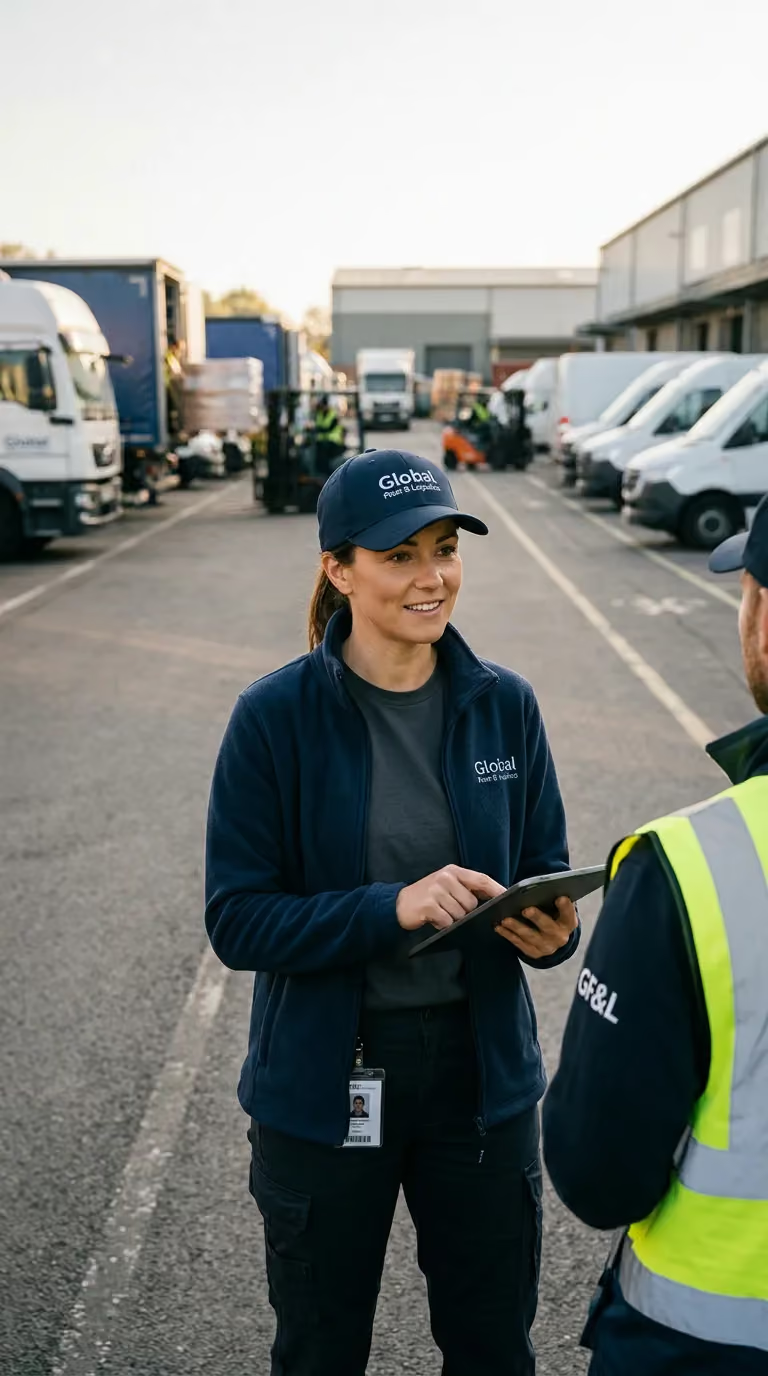


How a logistics store is organized
For many customers, a driver's uniform is the only part of the company they ever see, and the people wearing it rarely work in one building. The Bureau of Labor Statistics counted about 2.2 million heavy and tractor-trailer truck drivers and 1.5 million delivery drivers in 2025, and projects about 214,500 openings a year for heavy truck drivers alone. That means a steady stream of new-hire uniforms and replacements across many terminals. A company store sorts drivers, warehouse staff and office teams into user groups by role and location, so each sees only its approved items.
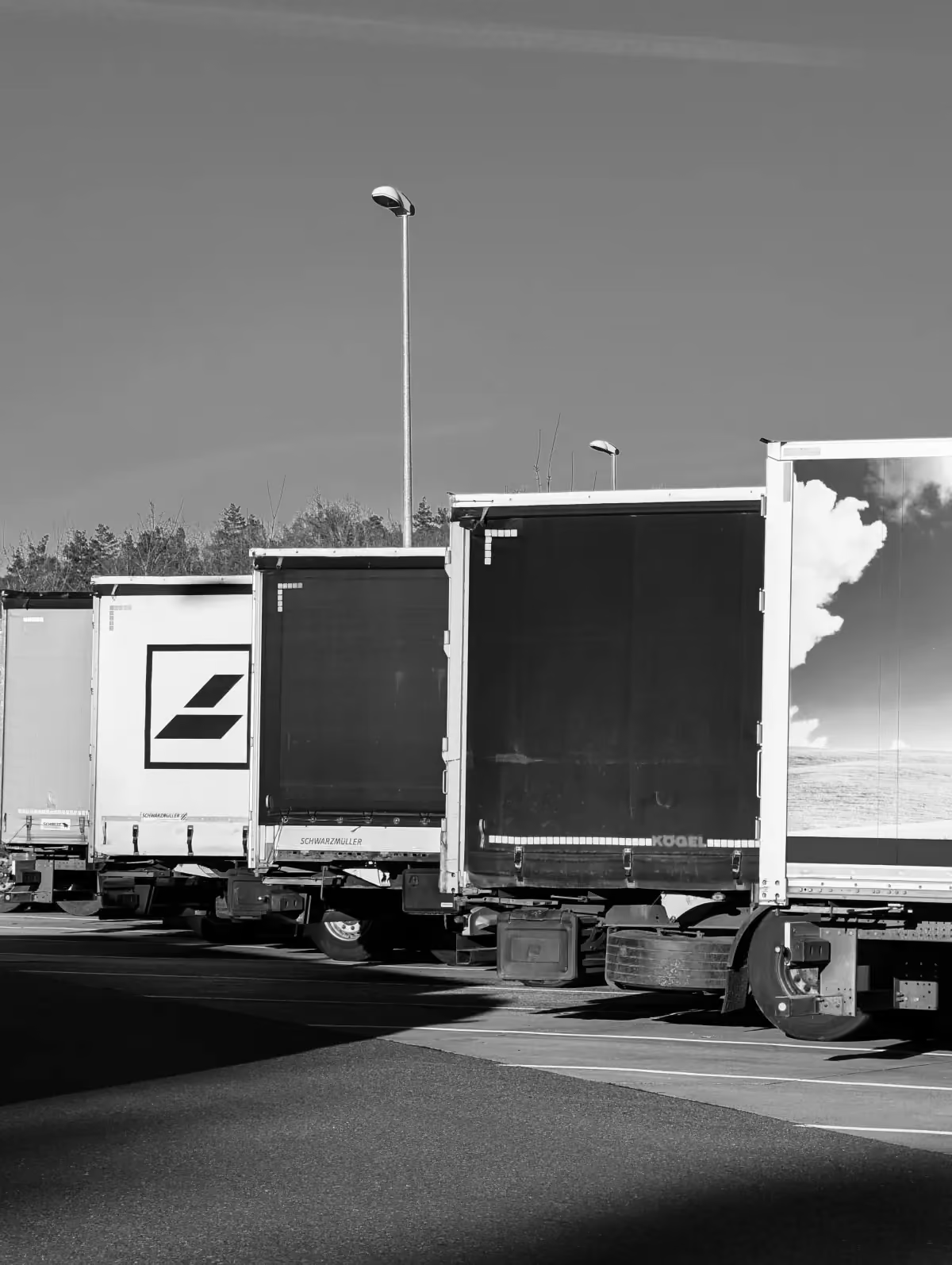
Drivers on the road
Drivers see a short branded line of work shirts, polos, outerwear and caps that look the same at every delivery. Hi-vis items are in the same catalog for drivers who work around traffic or in yards. Orders ship to the driver's home or the terminal, depending on how the program is set up.
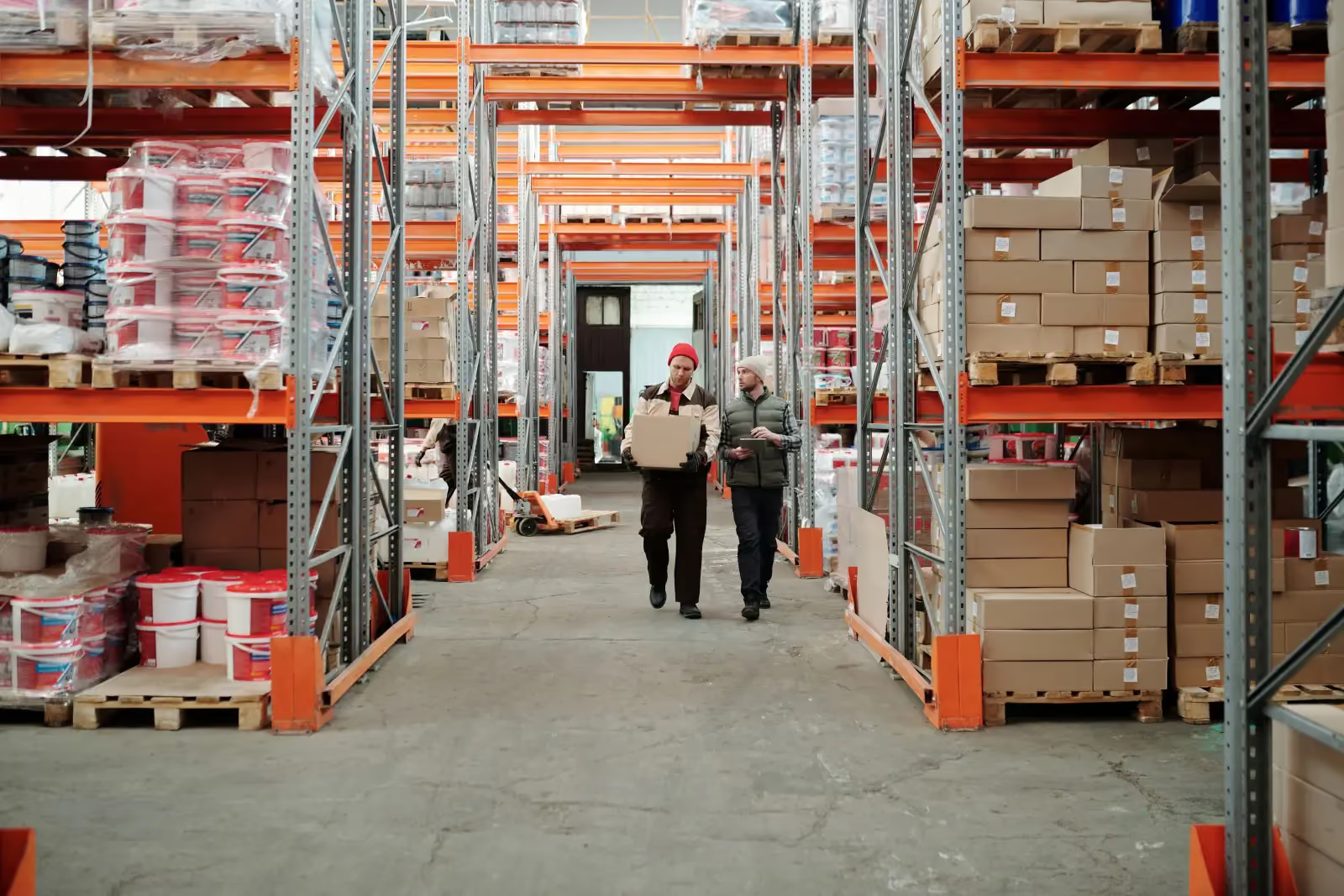
Warehouse and dock teams
Warehouse associates and dock workers see hi-vis vests and shirts, layers for cold docks and branded tees for the floor. Supervisors approve reorders against a site budget, and seasonal hires order their uniforms in the same store as permanent staff.
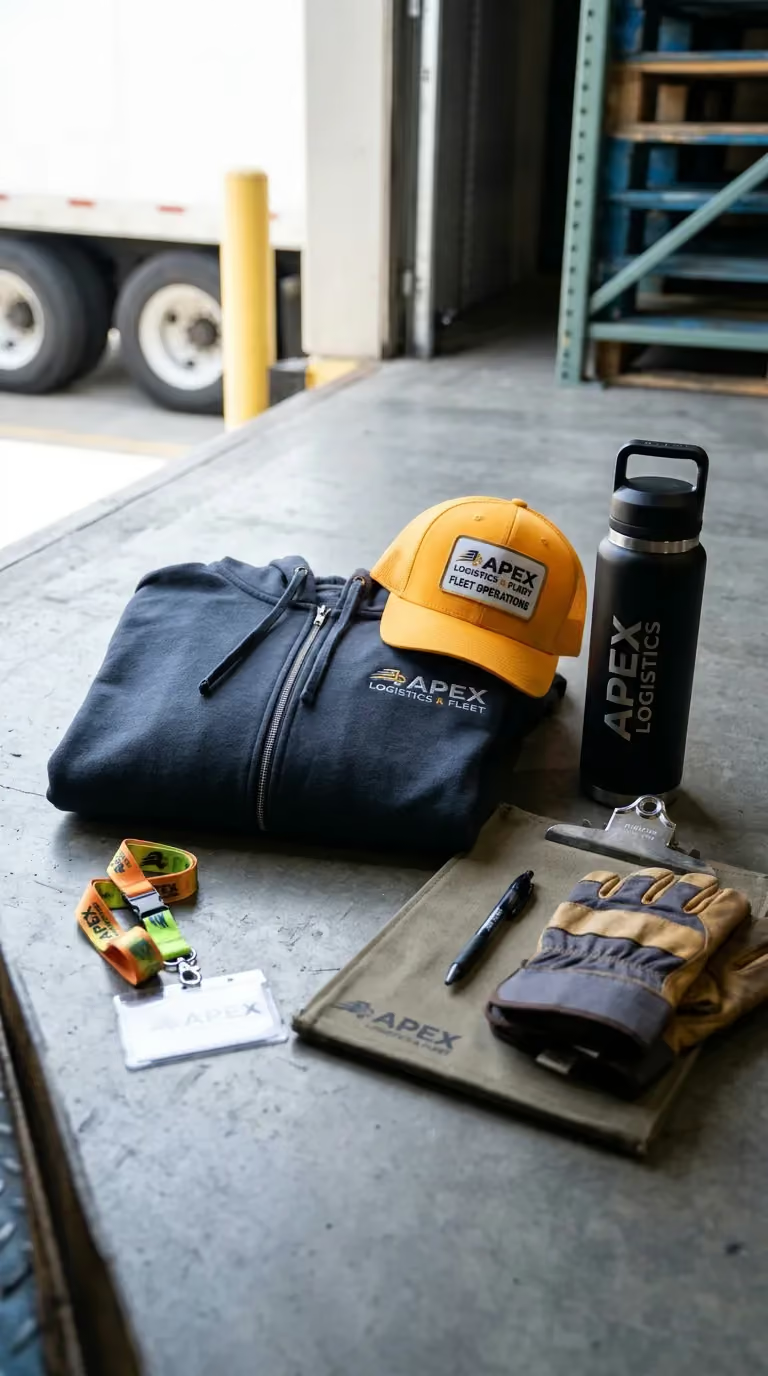
Why fleets use a company store

The same look at every stop
Drivers at every terminal order the same approved items, all decorated in Chattanooga, so the brand looks the same at every customer's door.

Catalogs by role
With user groups by role or terminal, a driver sees the route uniform and a dock worker sees hi-vis, in the same store.

Driver allowances
HR sets an allowance as an account balance, the store takes purchases out of it at checkout, and reporting shows what each driver has used.

Terminal approvals
An order can wait for a terminal manager's approval, which keeps replacements and peak-season orders within each site's budget.

Spend by location
Reporting shows orders and product activity by user group and period, so you can trace uniform costs to each terminal or warehouse.
What Flywheel handles for a fleet program
Flywheel builds the uniform catalog with your operations and safety leads, sets up the store and handles decoration, kitting and shipping at its facility in Chattanooga, Tennessee. Your team decides who sees what and who pays, and Flywheel gets the orders to every location.

In-house decoration
Embroidery and printing happen at Flywheel's Chattanooga facility, so adding a driver's name or the fleet logo doesn't involve another vendor.

Multi-terminal shipping
Orders ship in bulk to each terminal or warehouse, or to each driver's home, depending on the user group.

No minimums
On-demand products have no minimums, so extended sizes and low-volume pieces stay available without being stocked.

Kits for new drivers
A new driver's uniforms can be packed with onboarding items and shipped before orientation.

Driver awards
The same store can run safe-driving and service awards through account balances or gift certificates.

One account team
The people who built your store answer questions about orders, reorders and catalog changes, whether you have 50 employees or a fleet spread across many sites.
Programs that fit logistics and fleet
Most fleets run two or three of these from the same store.
Employee uniform programs: driver and warehouse catalogs with allowances, approvals and replacements.
New-hire welcome kits: a driver's first uniform issue, kitted and shipped before orientation.
Recognition and gifting stores: safe-driving milestones and service anniversaries funded by credits.
Sources: BLS, Heavy and Tractor-trailer Truck Drivers · BLS, Delivery Truck Drivers · OSHA 29 CFR 1910.132 · ANSI/ISEA 107 garment types · U.S. Department of Labor, Fact Sheet #16 · IRS Publication 15-B (2026). Checked November 2026.
Other industries: Construction and field services · Manufacturing · Healthcare · Higher education · Technology and SaaS · All online company stores
Our work showcase
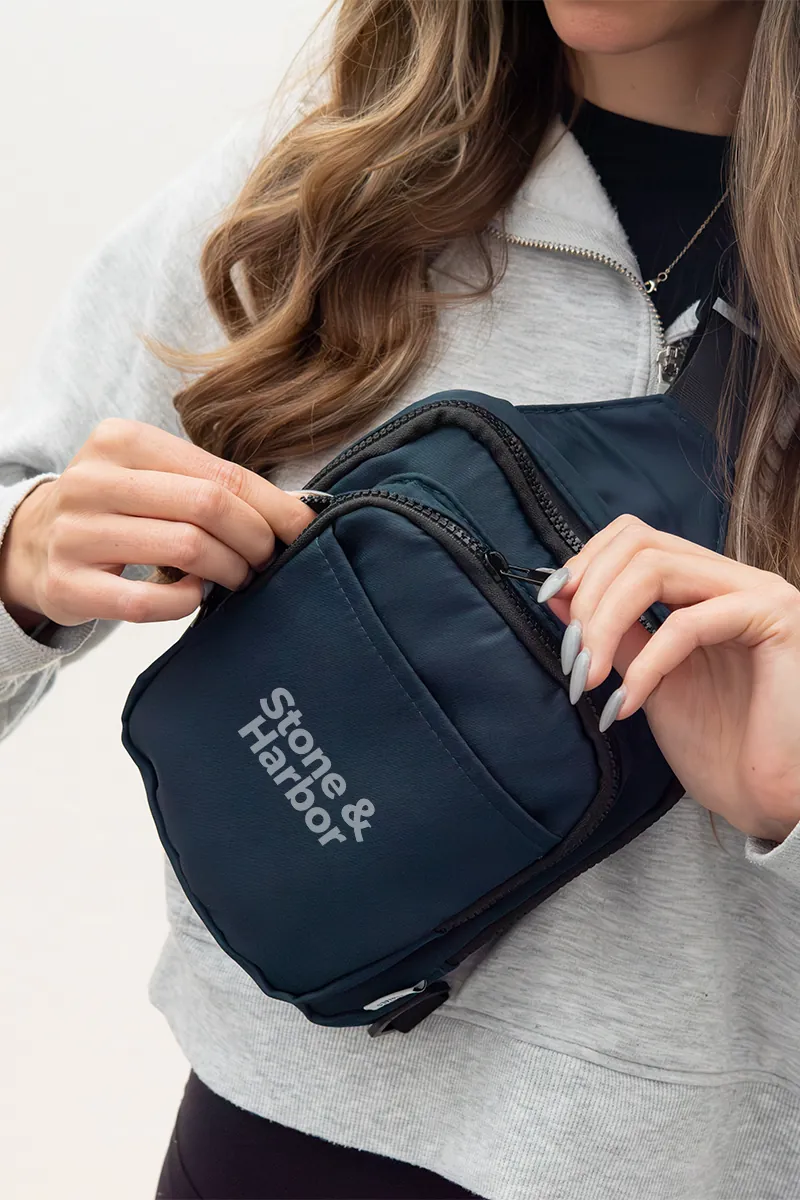
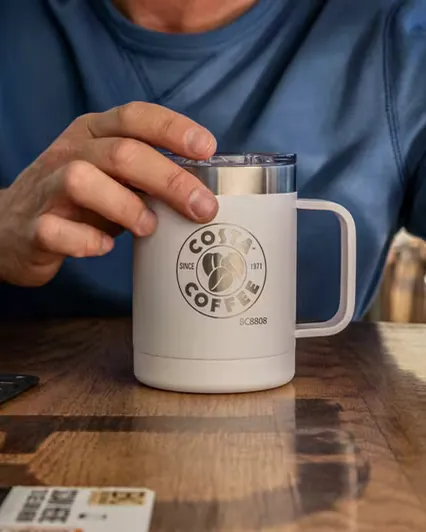
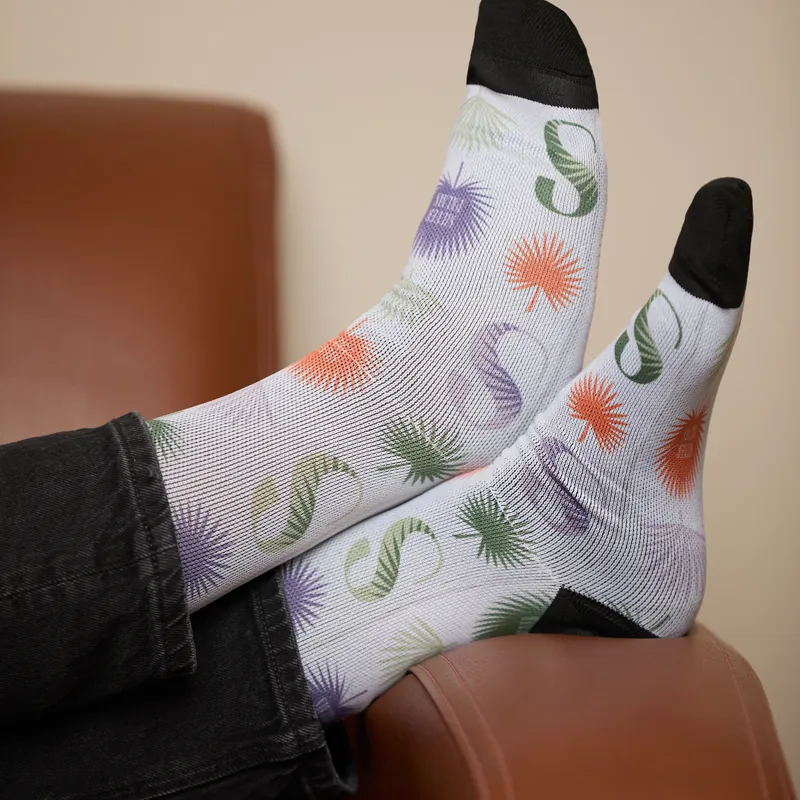
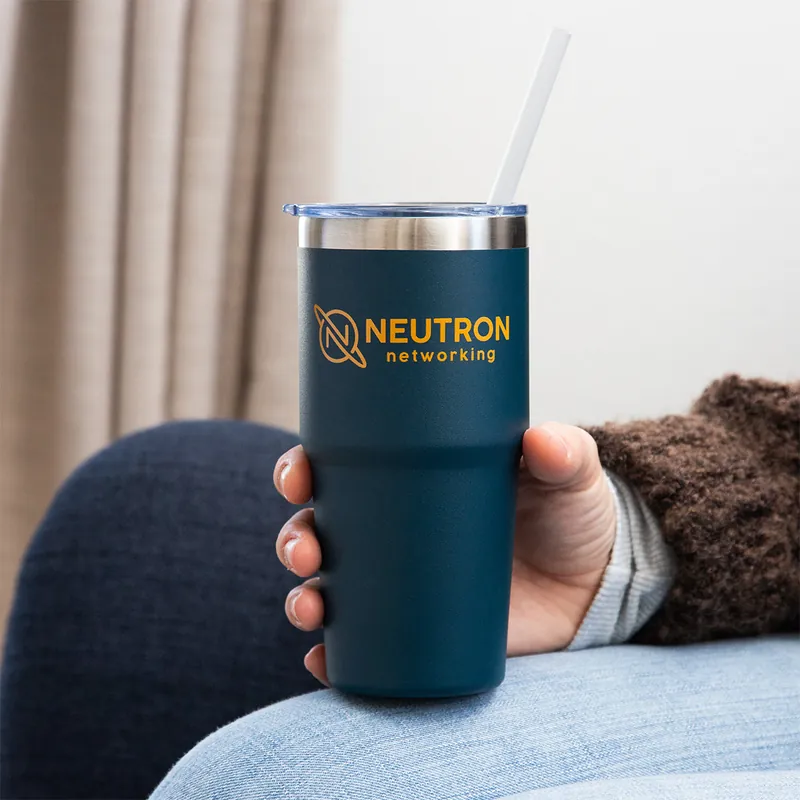
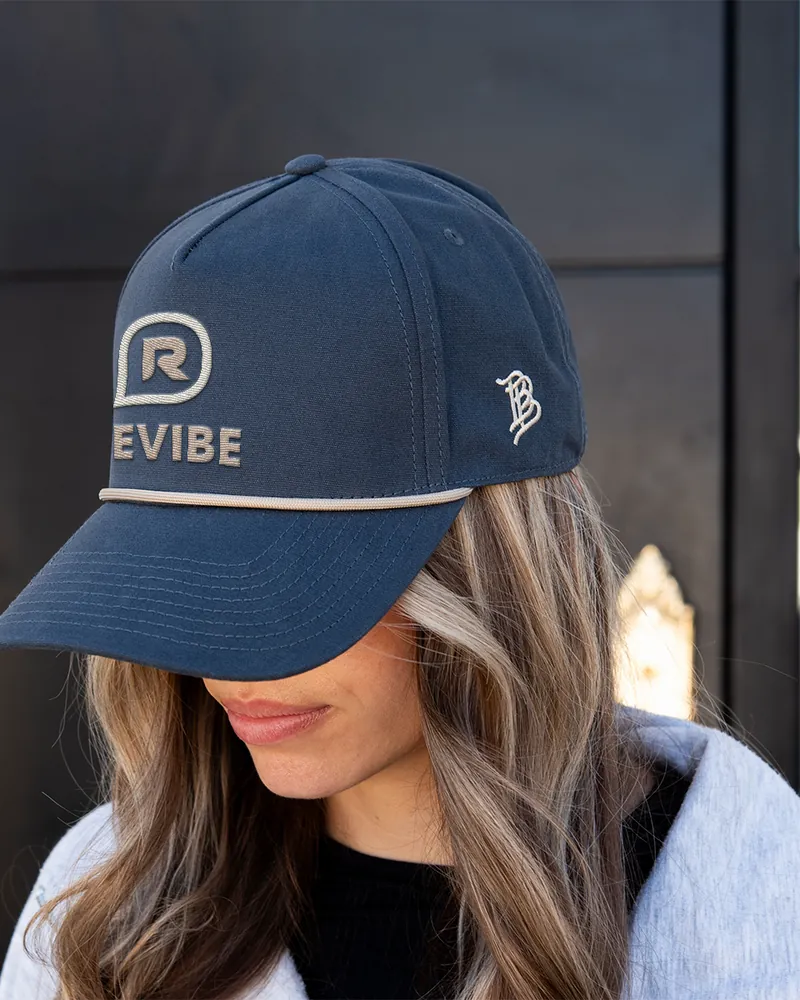
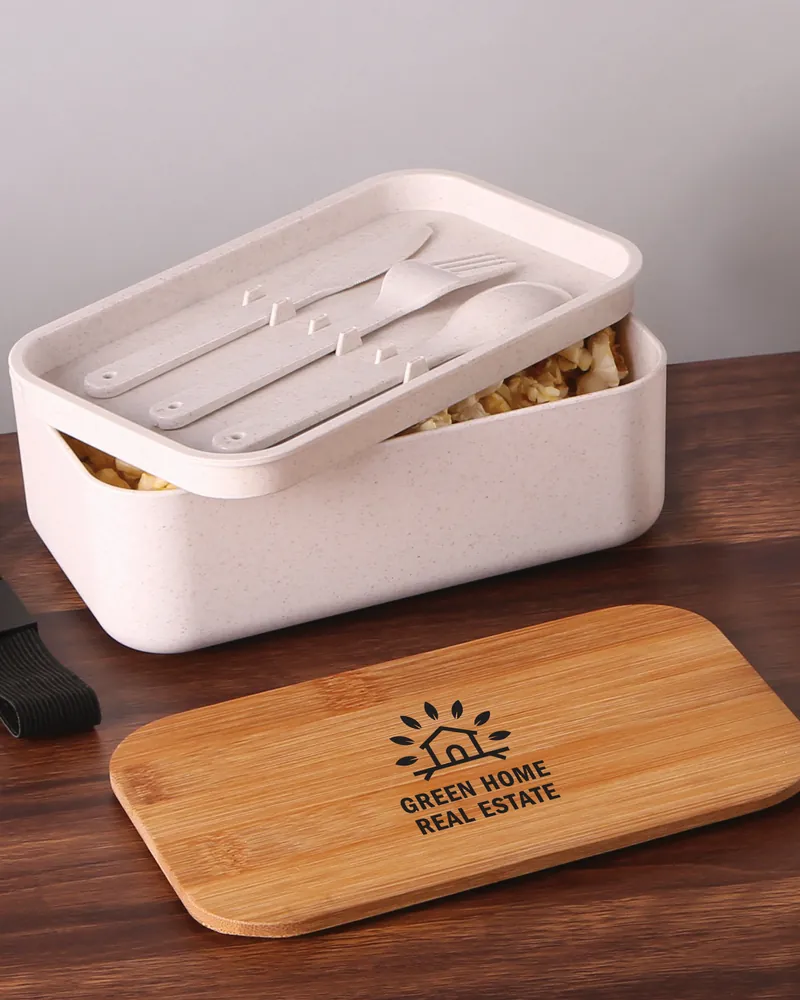
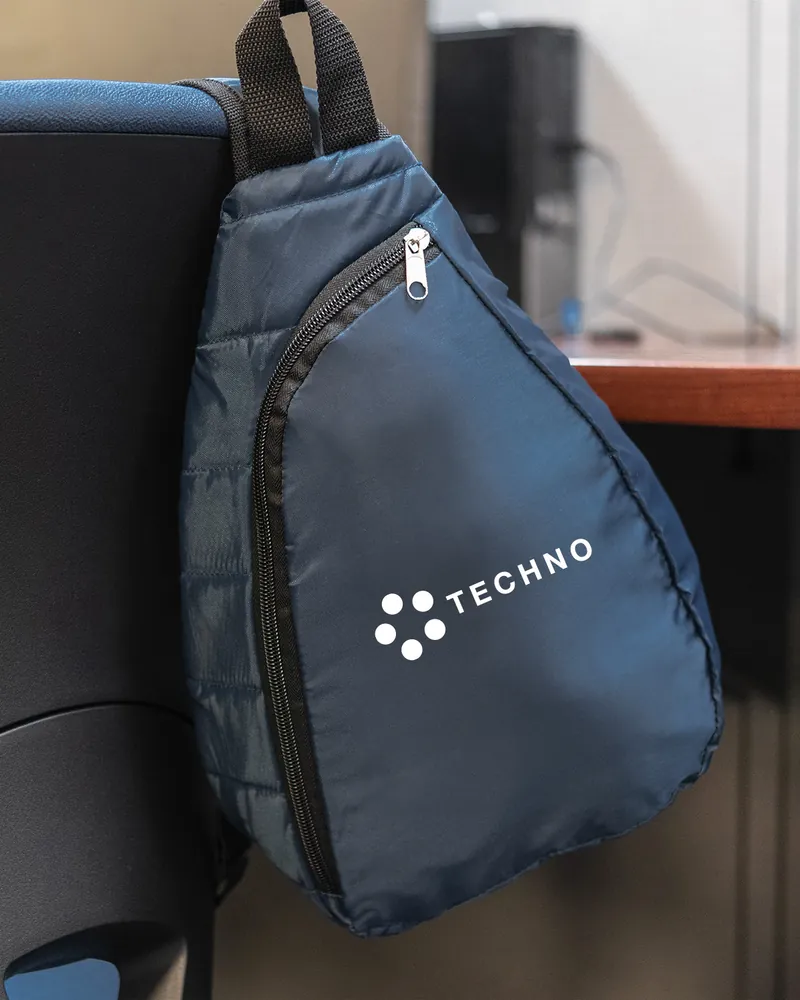
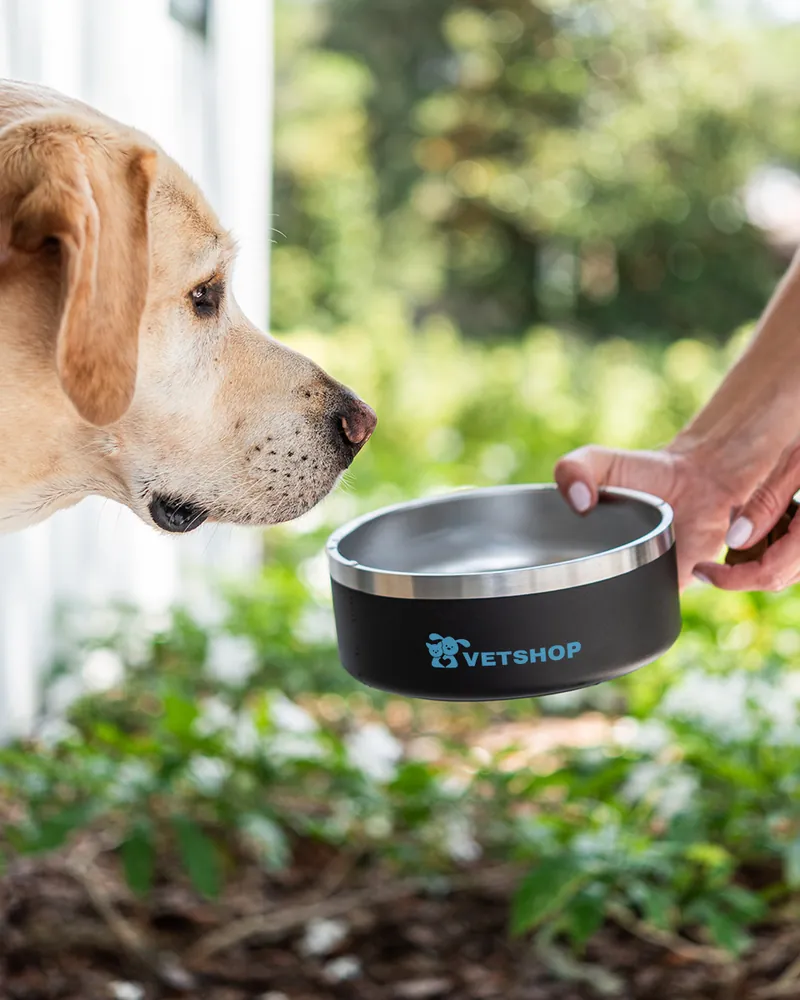
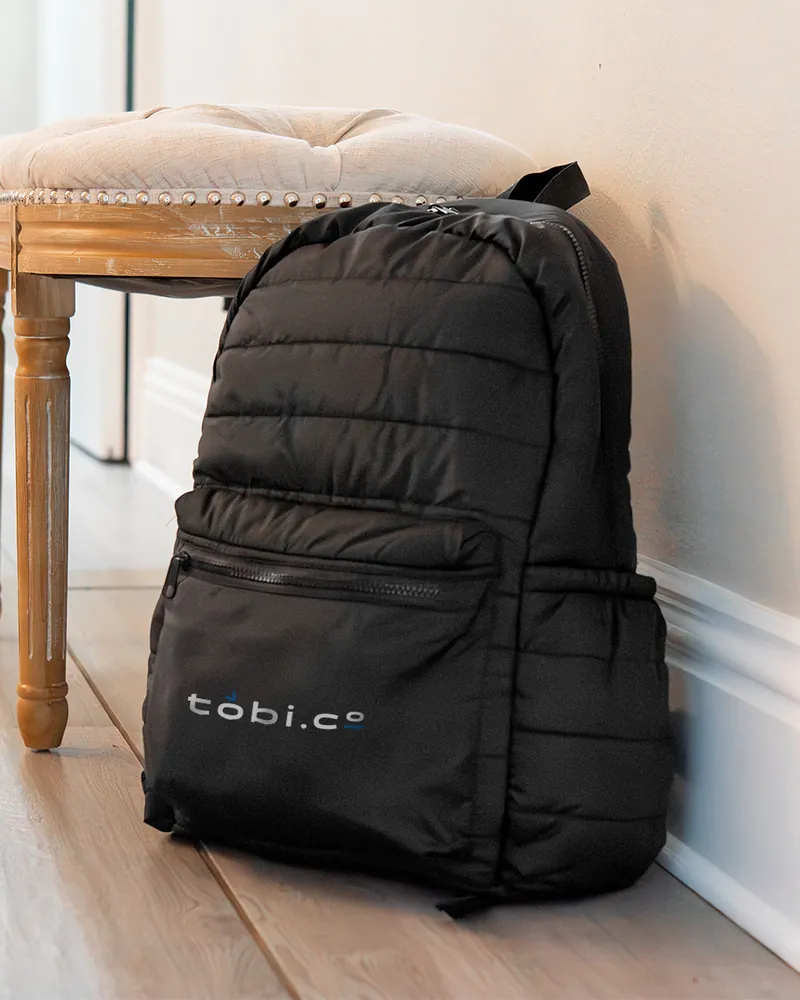
Branded uniforms and products Flywheel has decorated, packed and shipped through company stores. Each item was made in Chattanooga for a client program and ordered through that client's store.












Related reading
Guides from the Flywheel team on uniform programs and company store costs.

Corporate Gifting Trends to Watch in 2027

Corporate Gift Ideas from 2026: What to Consider for Your Team

Best Year-End Gifts for Employees and Teams

Our process
Get Started
Book a call with one of our friendly reps
Discover
Explore options together and discover unique solutions for your brand
Mockup
Receive mock-ups of merch via email for approval
Confirm
Confirm your order
Delivered
Receive your goodies


Flywheel is our go-to source for stickers! Whether it’s for operational purposes to keep things running efficiently or advertising for lenders and other parties by the thousands, Flywheel gets it done and gets it done fast”

In today's world, you want a partner that will think about your clients as if they are your own, and Flywheel does that...I don't have to worry about looking for another vendor or try to price shop my way to saving pennies. I know I have the perfect combination of customer service and cost with Flywheel."
Flywheel has helped us with everything from our brand refresh to choosing the right promotional products for a trade show. Their full-service partnership has been integral in our marketing for a few years now, and we look forward to continuing that relationship.”

Representing a nonprofit organization, my purchasing decisions are more budget-sensitive than most, and I find that Flywheel's pricing is beyond competitive. From promotional items to print and graphics work, they've become my go-to, and I appreciate the sense of partnership they've worked so hard to cultivate."
Marketing isn’t always about spending a lot of money. Flywheel has helped us to find cost-effective solutions that have a big impact on our efforts, from pens to our employees’ uniforms. Their high-level service makes them an easy choice as a creative partner.”

The Maryland Underground Facilities Damage Prevention Authority (the Authority) has utilized the services of Flywheel for a number of years with ever increasing confidence. As providers of promotional items we have found them to be reasonable, reliable and timely.
Our retail presence is so critical to the growth of our company. It was reassuring to be able to partner with Flywheel, knowing that they fully understand our brand, our image and our audience.”

We appreciated being able to rely on Flywheel to not only choose the right custom apparel for our marketing campaign but also deliver the product exactly as promised.”

Flywheel is our go-to for all of our merch and apparel. With Flywheel we know we are going to get a fast turnaround on our orders, quality goods, and a competitive price.
Flywheel is great to work with. A wide variety of customizable options and customer service is quick to respond and adjust “on the fly."
Awesome company! Super fast service, super high quality!
John Langworthy and the Flywheel team were absolutely fantastic to work with. Every detail was given the highest of attention, which made me as the customer have peace of mind that our exhibit show would go smoothly, and be a huge success with our new booth. I have worked with other companies previously, and the bar that John and his team set and way over exceeded will keep me as a satisfied customer for a long time.
I just wanted to pass along my thanks for the incredible work and service that you and Flywheel have provided Sulzer this past year. I am sure we are not your largest account, but you have made us feel immeasurably valuable.
FAQs
Questions fleet and logistics operators ask when they move driver uniforms and warehouse gear into a company store. Where a federal rule or standard applies, the answer cites OSHA, ANSI/ISEA or Department of Labor sources. State rules can be stricter.
For ordinary uniforms, federal law doesn't require it. OSHA makes the employer pay for protective equipment a standard requires, such as hi-vis apparel the employer's hazard assessment calls for, but excludes everyday clothing and normal work boots. An employer can charge employees for a branded uniform as long as the cost doesn't take pay below minimum wage or cut into overtime.
ANSI/ISEA 107-2020 sorts garments into three types. Type O is Class 1 only and is meant for off-road settings such as warehouses, away from roadway traffic. Type R covers Class 2 and Class 3, for roadways and areas with heavy vehicle traffic. The employer's hazard assessment decides which applies to each role, and the store shows each group the right class.
Yes. User groups organize employees by role, terminal or region, and each group sees only its approved catalog and pricing. Drivers see the route uniform and outerwear, warehouse associates see hi-vis and floor apparel, and dispatch and office staff see polos, all in one store with one set of reports.
HR or a terminal manager sets an amount for each driver or group as an account balance, and the store takes purchases out of it at checkout. The driver pays for anything over the allowance, or the order is held for approval, and gift certificates cover one-off replacements after damage. Reporting shows what's been added and redeemed.
Set up a standard new-hire uniform order in the store. When a driver is hired, the terminal manager or HR places it, often as a kit with onboarding items, and Flywheel ships it to the driver or the terminal. With about 214,500 heavy-truck driver openings projected each year nationally, most fleets place these orders weekly.
Yes. Recognition runs in the same store through account balances or gift certificates, so a driver who reaches a safety milestone picks an item and Flywheel ships it. IRS rules let an employer exclude tangible awards for length of service or safety achievement up to set limits, but gift cards and certificates are always treated as taxable cash equivalents.

Ready to get started with Flywheel?
Got some ideas but not sure how to execute?