


Get started with Flywheel
Recognition and Gifting Stores for Employee Milestones
A Flywheel recognition store is an online company store where HR or a manager adds credit to an employee's account or sends a gift certificate, and the employee chooses the gift. Flywheel decorates, packs and ships each order from Chattanooga, and reporting shows who has been recognized and what they redeemed.


Who a recognition store is for
A recognition store makes sense once gifts go out often enough that someone is buying them one at a time. That might be an HR team marking service anniversaries for a few hundred people a year, managers who want to say thanks without asking for a shirt size, a holiday gift that has to reach homes in several states, or a sales or safety program that pays out in merchandise. In Gallup and Workhuman's 2024 research, only 22% of employees said they get the right amount of recognition.

How it works at Flywheel
Flywheel helps you choose the gift catalog and builds the store in your brand. On-demand products have no minimums, so the catalog can offer plenty of choice without anything sitting in stock. Each item is decorated after it's ordered and shipped from Chattanooga to the employee's home or office.
Which store model fits
Most recognition programs use Flywheel's Redemption Store, where employees spend a credit or gift code on a catalog of on-demand products. It has a setup cost and a fee per order, with no monthly hosting fee. A holiday kit that every employee receives is usually the exception and runs as a stocked program.

What runs a recognition program

Account balances
HR or a manager adds credit for a milestone or from a recognition budget, and the store applies it at checkout.

Gift certificates
For a single gift, a manager sends a certificate and the recipient redeems it, entering their own size and address.

User groups
A sales incentive catalog can sit apart from the company-wide anniversary catalog, with its own credit rules.

Manager approvals
An order can wait for approval when a program wants a second look.

Reporting
Reports show credits added and redeemed, account balances and product activity by group and period.
Why run recognition through Flywheel
A manager sets the amount and the employee picks the gift. Flywheel handles the decoration, packing and shipping from one facility.

The recipient chooses
The manager sets the amount and the employee picks the item, so nobody has to guess a size.

No minimums
A 60-person company can offer a dozen gift options, because nothing is produced until someone redeems.

One facility
Embroidery, printing, boxing and shipping labels all happen at Flywheel's Chattanooga facility.

Supplier network pricing
Flywheel belongs to the iPROMOTEu network, which gets its programs preferred supplier pricing.

Family-owned since 1981
Programs are run from Chattanooga by an account manager you can reach by phone.
Recognition programs and how they're funded
Every program runs on the same store. What changes is who adds the credit and which catalog the recipient sees.
| Program | How it is usually funded | What usually ships |
|---|---|---|
| Service anniversaries | A credit loaded to the employee's balance on the anniversary date, scaled by years of service | Outerwear or a bag at the higher tiers, with the year marked |
| Peer recognition | Small gift certificates sent through the year within a per-group budget | Lower-cost items such as caps, drinkware, tees and quarter-zips |
| Holiday gifting | One credit to every employee, or one curated kit everyone receives | A kitted box shipped to home addresses, or a single pick from a seasonal catalog |
| Sales incentives | Credits earned against a quota or contest, loaded when the period closes | Premium apparel and branded tech from a catalog visible only to the sales group |
| Wellness or safety milestones | A certificate for a milestone such as a year without a recordable incident | Practical items such as a jacket or bag used on the job |
Are recognition gifts taxable?
It depends on the form of the gift. The IRS lets employers leave a de minimis fringe benefit out of an employee's income: property or a service worth so little, given how often it's provided, that accounting for it would be unreasonable or administratively impracticable. Publication 15-B gives holiday or birthday gifts other than cash, with a low fair market value, as an example, and the IRS notes a past ruling that an item worth more than $100 could not be de minimis. Cash and cash equivalents, including gift certificates and gift cards, never count as de minimis, however small.
A separate exclusion for achievement awards covers tangible property given for length of service or safety, up to $1,600 a year under a qualified plan and $400 otherwise. It also leaves out cash and gift cards. How a credit that can only be spent on branded merchandise in a company store is treated depends on how the program is set up, so check with your tax advisor.
Sources: IRS, De minimis fringe benefits · IRS Publication 15-B (2026) · Gallup, Employee Retention Depends on Getting Recognition Right (2024). Checked November 2026.
More company store programs: Employee uniform programs · New-hire welcome kits · Event and field-team stores · All online company stores · Pricing estimator
Our work showcase
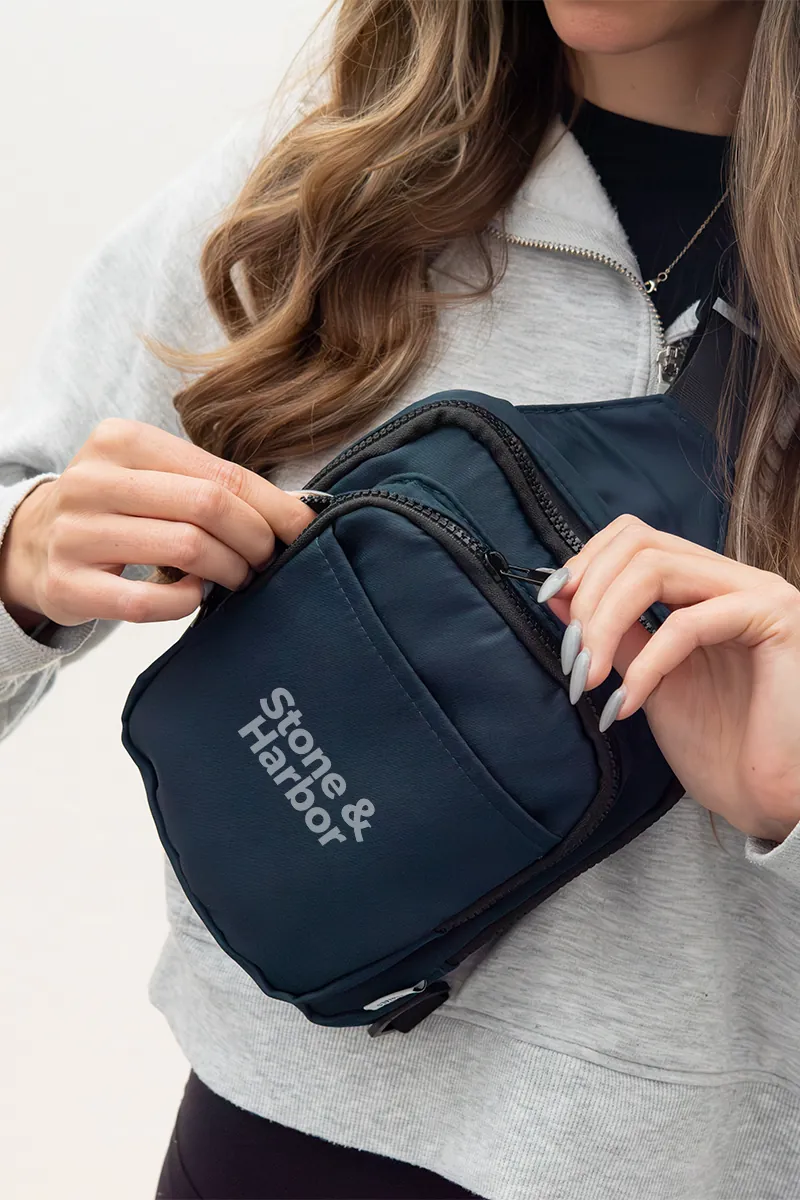
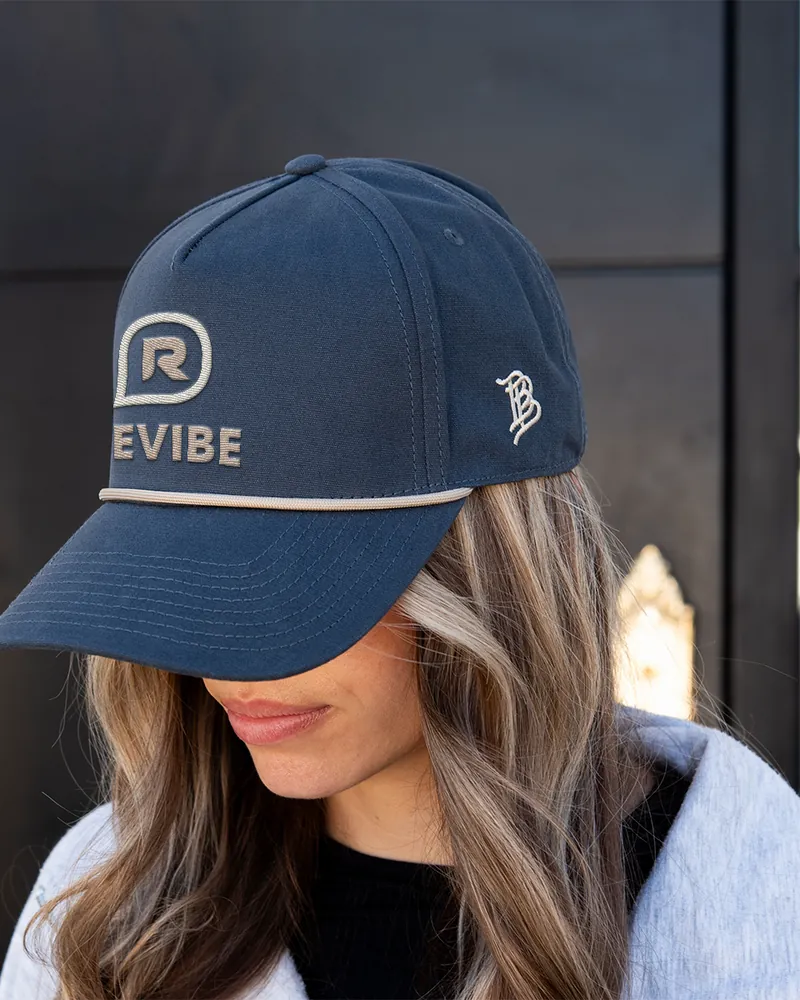
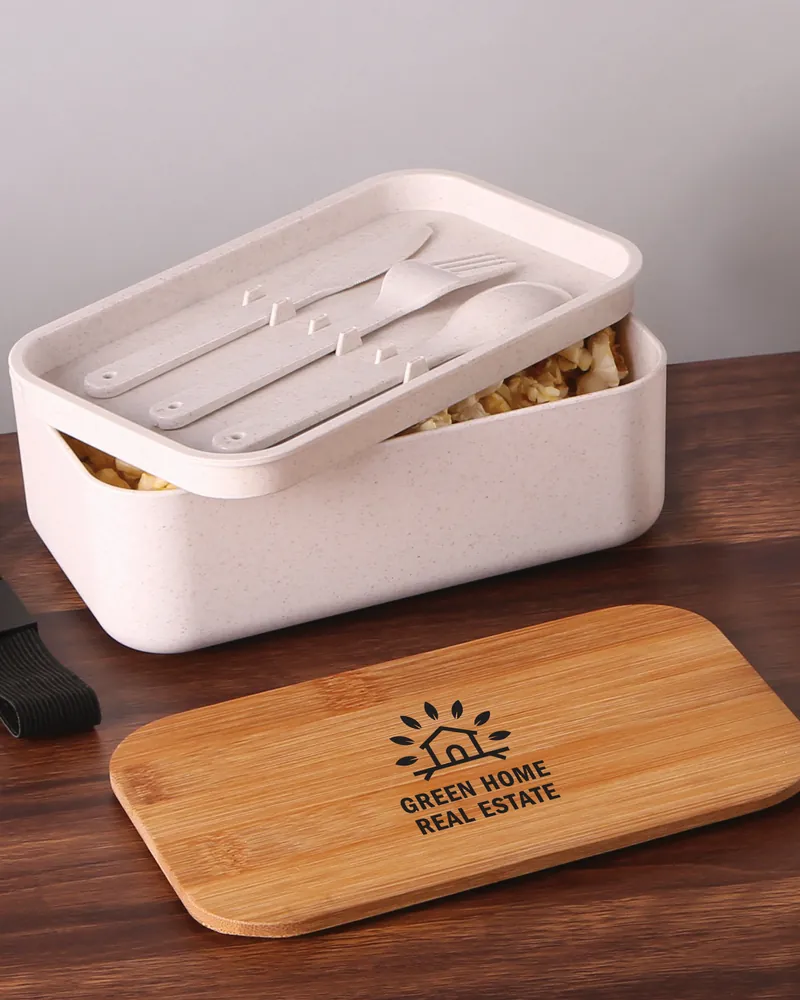
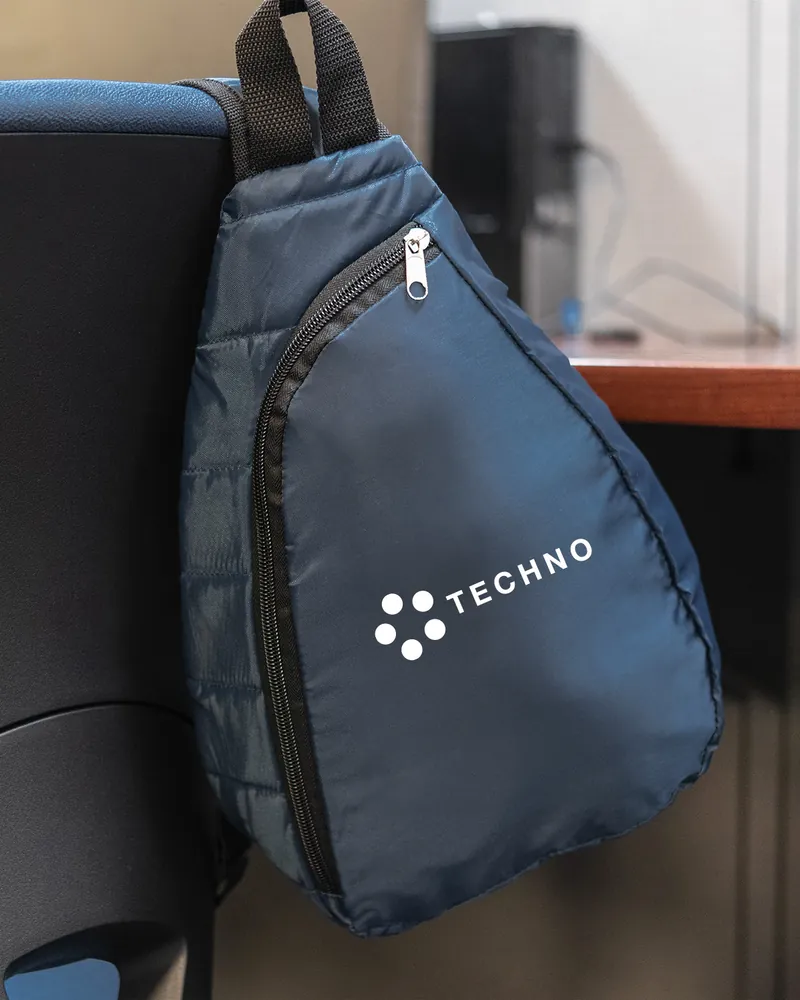
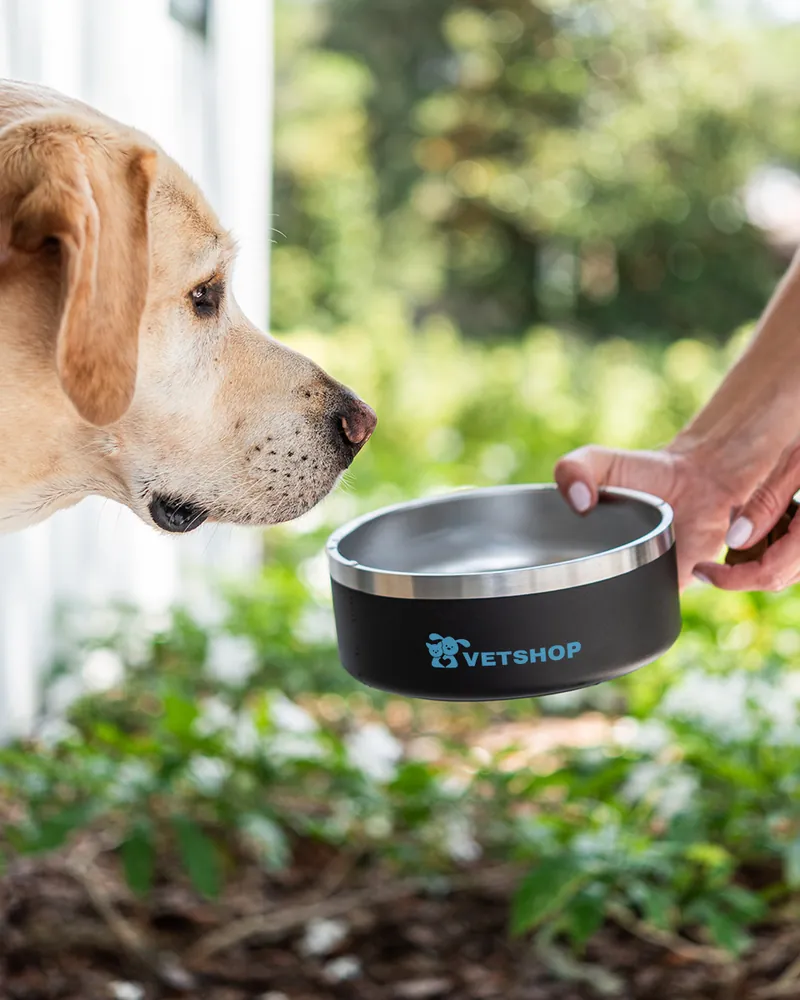
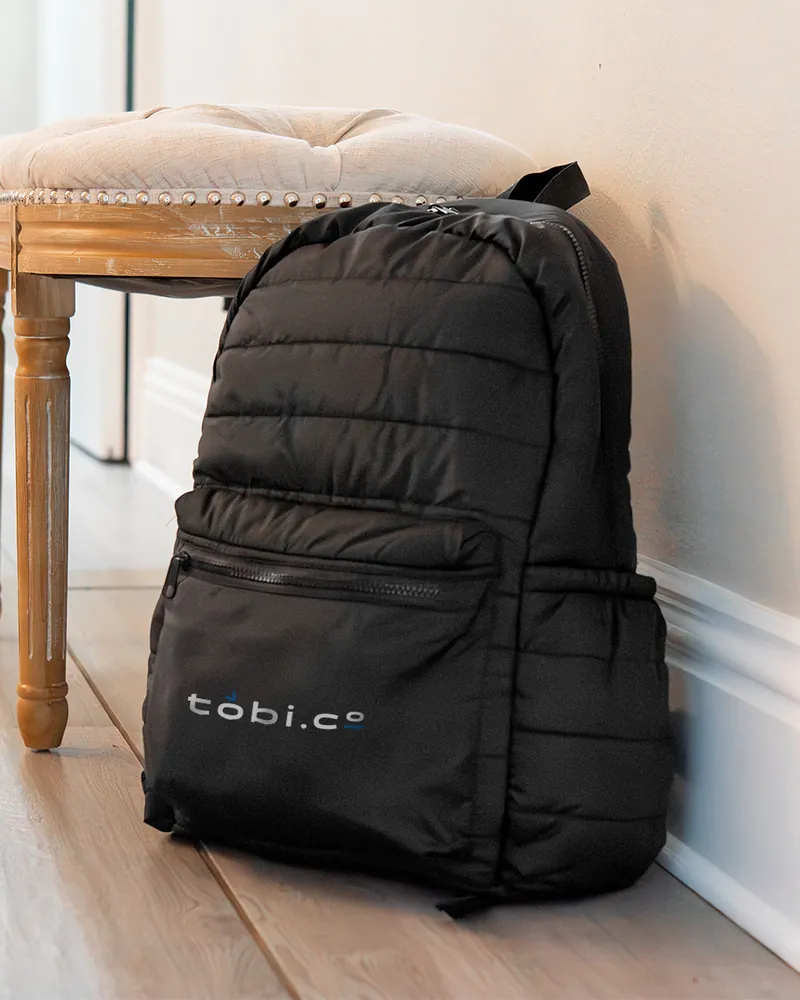
Outerwear, drinkware, bags and headwear Flywheel has decorated for client programs, the kinds of items employees pick when they redeem a recognition credit.















Related reading
Guides from the Flywheel team on corporate gifting, what company stores cost and how to run an employee program.

Corporate Gifting Trends to Watch in 2027

Corporate Gift Ideas from 2026: What to Consider for Your Team

Best Year-End Gifts for Employees and Teams

Our process
Get Started
Book a call with one of our friendly reps
Discover
Explore options together and discover unique solutions for your brand
Mockup
Receive mock-ups of merch via email for approval
Confirm
Confirm your order
Delivered
Receive your goodies


Flywheel is our go-to source for stickers! Whether it’s for operational purposes to keep things running efficiently or advertising for lenders and other parties by the thousands, Flywheel gets it done and gets it done fast”

In today's world, you want a partner that will think about your clients as if they are your own, and Flywheel does that...I don't have to worry about looking for another vendor or try to price shop my way to saving pennies. I know I have the perfect combination of customer service and cost with Flywheel."
Flywheel has helped us with everything from our brand refresh to choosing the right promotional products for a trade show. Their full-service partnership has been integral in our marketing for a few years now, and we look forward to continuing that relationship.”

Representing a nonprofit organization, my purchasing decisions are more budget-sensitive than most, and I find that Flywheel's pricing is beyond competitive. From promotional items to print and graphics work, they've become my go-to, and I appreciate the sense of partnership they've worked so hard to cultivate."
Marketing isn’t always about spending a lot of money. Flywheel has helped us to find cost-effective solutions that have a big impact on our efforts, from pens to our employees’ uniforms. Their high-level service makes them an easy choice as a creative partner.”

The Maryland Underground Facilities Damage Prevention Authority (the Authority) has utilized the services of Flywheel for a number of years with ever increasing confidence. As providers of promotional items we have found them to be reasonable, reliable and timely.
Our retail presence is so critical to the growth of our company. It was reassuring to be able to partner with Flywheel, knowing that they fully understand our brand, our image and our audience.”

We appreciated being able to rely on Flywheel to not only choose the right custom apparel for our marketing campaign but also deliver the product exactly as promised.”

Flywheel is our go-to for all of our merch and apparel. With Flywheel we know we are going to get a fast turnaround on our orders, quality goods, and a competitive price.
Flywheel is great to work with. A wide variety of customizable options and customer service is quick to respond and adjust “on the fly."
Awesome company! Super fast service, super high quality!
John Langworthy and the Flywheel team were absolutely fantastic to work with. Every detail was given the highest of attention, which made me as the customer have peace of mind that our exhibit show would go smoothly, and be a huge success with our new booth. I have worked with other companies previously, and the bar that John and his team set and way over exceeded will keep me as a satisfied customer for a long time.
I just wanted to pass along my thanks for the incredible work and service that you and Flywheel have provided Sulzer this past year. I am sure we are not your largest account, but you have made us feel immeasurably valuable.
FAQs
Common questions from HR teams and managers about credits, gift certificates, anniversaries and redemption.
HR or a manager adds credit to the employee's account or sends a gift certificate. The employee signs in, sees the catalog for their group, and uses the credit at checkout instead of paying. Flywheel decorates the item after the order, packs it and ships it from Chattanooga, and reporting shows what was added and redeemed.
It's a company store where employees claim items with an allowance, account balance or gift code instead of a card. The company sets the amount, the store applies it at checkout, and reporting shows who redeemed what. Recognition programs, welcome kits where the new hire chooses, and uniform allowances all work the same way.
Yes. A manager with a budget for their group sends a gift certificate from the store. The recipient redeems it from the catalog and enters their own size and shipping address at checkout. If the program wants an approval step first, ordering controls can require one.
Most programs tier the gift by years of service and let the employee choose within the tier: drinkware or a cap at one year, a quarter-zip or bag at five, outerwear or branded tech at ten. The IRS achievement-award exclusion covers tangible property given for length of service, up to $1,600 a year under a qualified plan, and leaves out cash and gift cards. Check the details with your tax advisor.
Most programs set a window for redeeming credits and send reminders before it closes, since a credit nobody uses is budget doing nothing. Reporting lists unredeemed balances by group, so HR knows who to remind before a quarter or year ends.
Yes. User groups organize employees by team, department or location, and each group sees its own catalog and credit rules. A sales incentive catalog of premium items can sit beside the company-wide anniversary catalog in one store, with one login for employees and one set of reports for HR.

Ready to get started with Flywheel?
Got some ideas but not sure how to execute?