Request a quote

Get started with Flywheel

Button Text
Thank you! Your submission has been received!
Oops! Something went wrong while submitting the form.
Certifications
UL 969 and Industrial Label Certifications & Procurement Needs
A guide to UL 969, Recognized label constructions, and the certification paperwork behind compliant industrial labels.
Button Text
What is UL 969?
UL 969 is the safety standard for adhesive-backed labels. A UL 969 Recognized label construction has been tested for legibility, adhesion, and durability on a specific surface, in defined environments: indoor, humid, or outdoor.
Benefits
What UL 969 certifies
UL 969 is the Standard for Marking and Labeling Systems. It does not test your artwork, it tests the label construction: the facestock, adhesive, ink system, and any overlaminate, applied to a specific surface. A construction earns Recognition for defined exposure conditions, grouped into three broad environments.

Dry indoor use

The baseline exposure class. Constructions are tested for permanence of adhesion and continued legibility on the declared substrate under normal indoor conditions.

Humid and damp locations

Adds humidity conditioning to the baseline tests. This class matters when labels live in washdown areas, unconditioned storage, or anywhere condensation is routine.

Outdoor use

Adds UV exposure, water, and temperature cycling. Outdoor-rated constructions are what fleet graphics, utility cabinets, and field equipment actually need.
Benefits
Decoding UL category control numbers (CCNs)
Every UL Recognized label construction is filed under a category control number in UL Product iQ. The CCN tells you exactly what a construction was evaluated for, and whether it fits how you buy and print labels. Canadian equivalents swap the final 2 for an 8 (PGDQ8, PGJI8, PGGU8, PGIM8, PGCT8) under CSA C22.2 No. 0.15 or UL 969A — shipping to Canada, verify the 8-series too.

PGDQ2 — Marking and Labeling Systems

The core category: finished die-cut labels tested to ANSI/UL 969 as a complete system, facestock, adhesive, ink, overlaminate, on a declared surface. Not evaluated for further printing by your team.

PGJI2 — Printing Materials

Constructions evaluated to receive additional printing by the end-product manufacturer, thermal transfer, laser, or hot stamping. The category for label blanks you print in-house.

PGGU2 — Materials

The bulk inputs: blank label stocks, laminating adhesives, overlaminates, and inks sold to printers and converters for producing PGDQ2 and PGJI2 labels.

PGIM2 — In-Mold Labels

Printed labels embedded into a plastic part during the molding process, sold as die-cut finished products without evaluation for additional printing.

PGIS2 — Limited Use

Evaluated against specific UL end-product standards with different performance requirements. Recognition applies only to those named product types, check the scope before specifying.

PGCT2 — Flag Labels, Tags and Wrap-Arounds
Flag labels, flag tags, wrap-around labels and related products, tested to ANSI/CAN/UL 969A, finished-printed or supplied for manufacturer printing.
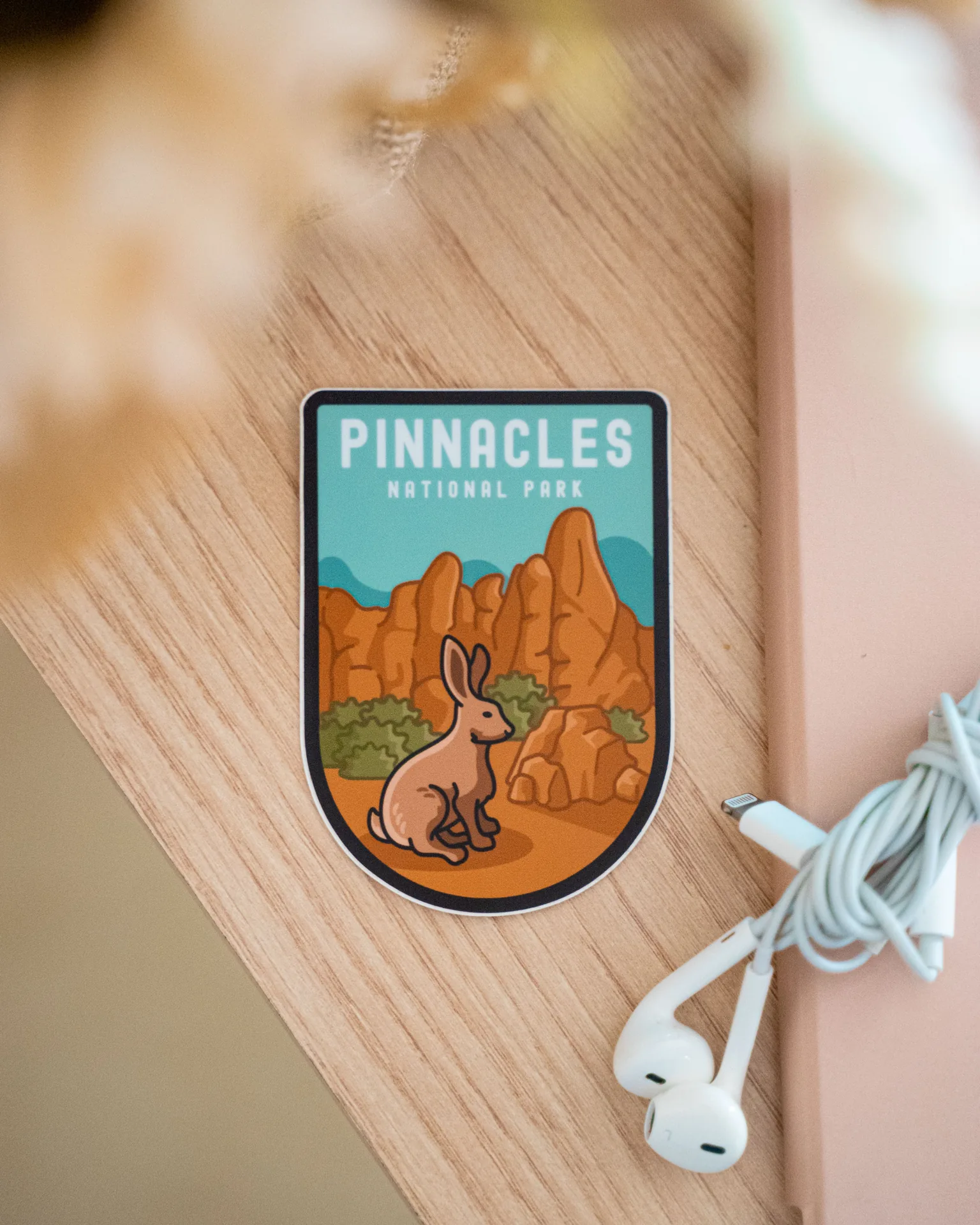
Finished die-cut printed label construction with a laminated surface
Coming: our UL file
Flywheel's UL Recognized constructions

Your customized vinyl materials can be screen printed, die cut, or digitally printed to meet just about any desired application. We use our countless years of experience to determine the perfect combination of decal vinyl, adhesives, and printing methods to achieve the highest-quality product that meets your specifications

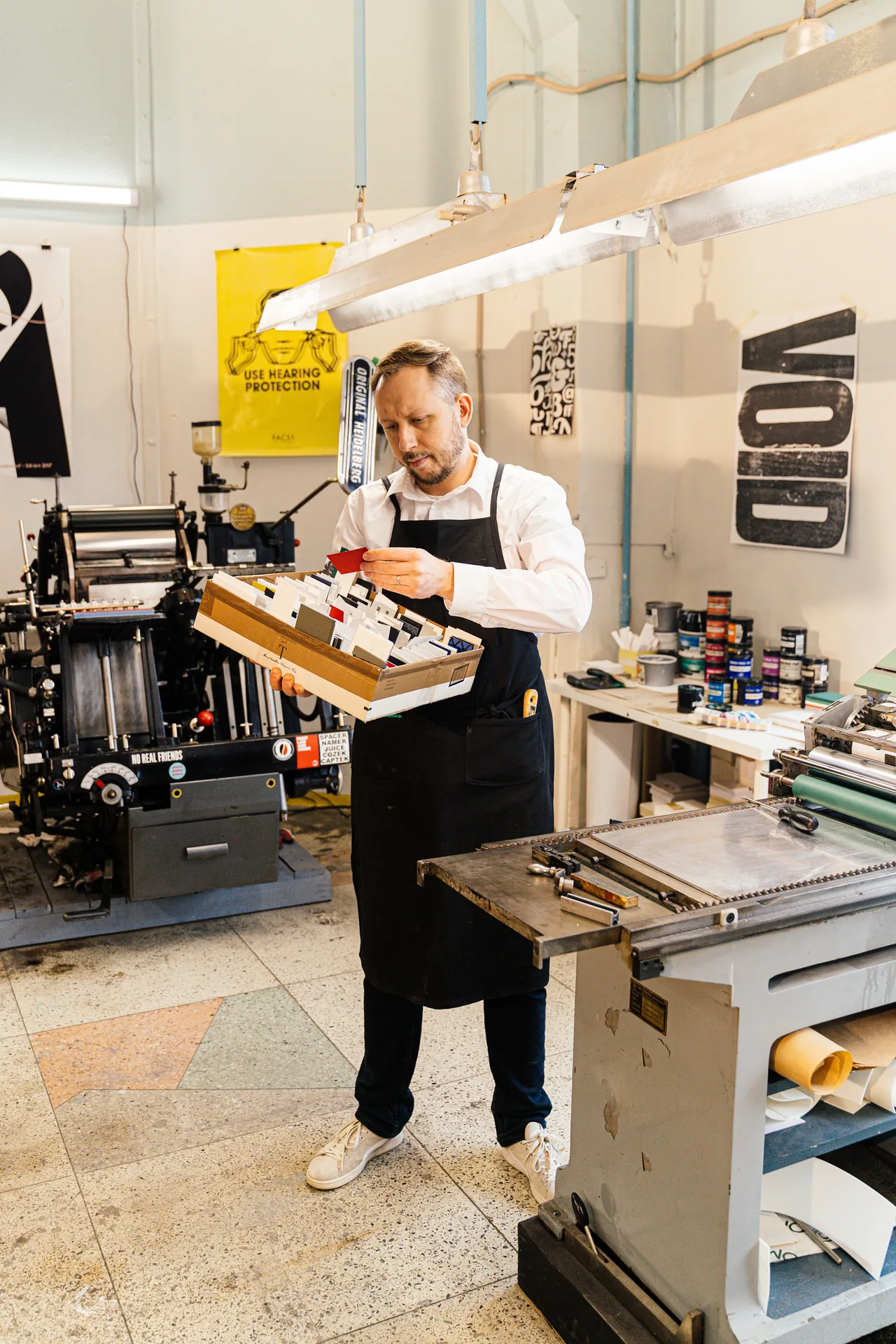
Custom industrial labels and decals produced by Flywheel Brands
The distinction
Recognized vs. Listed: which one applies to labels
Labels are UL Recognized Components, not UL Listed products. Recognition (the backwards-UR mark) covers a component intended for use inside a certified end product; Listing (the circled UL mark) covers the complete end product itself. Your device carries the Listing — the label on it carries Recognition. When an inspector asks for “UL certified labels,” a Recognized construction under the right CCN is what satisfies them.
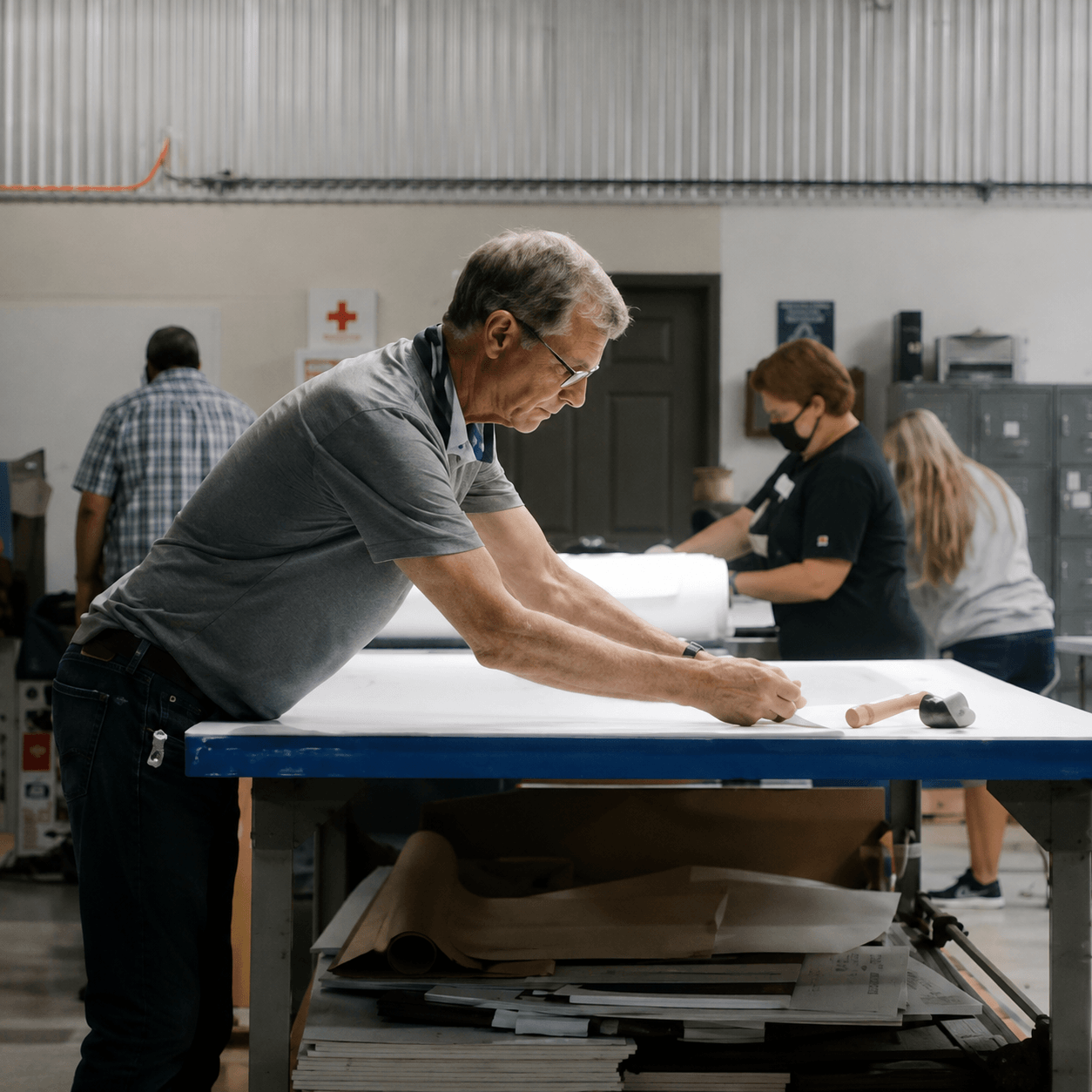
Print operator running a press during a production shift
Supply continuity
Follow-Up Service: why the certification stays valid
UL Recognition is not a one-time test. Under UL's Follow-Up Service, UL field representatives audit the label maker's facility and materials on an ongoing basis to confirm the construction being produced still matches what was tested. For procurement, that is supply continuity: the labels you re-order next year are required to be built the same way as the ones that passed.
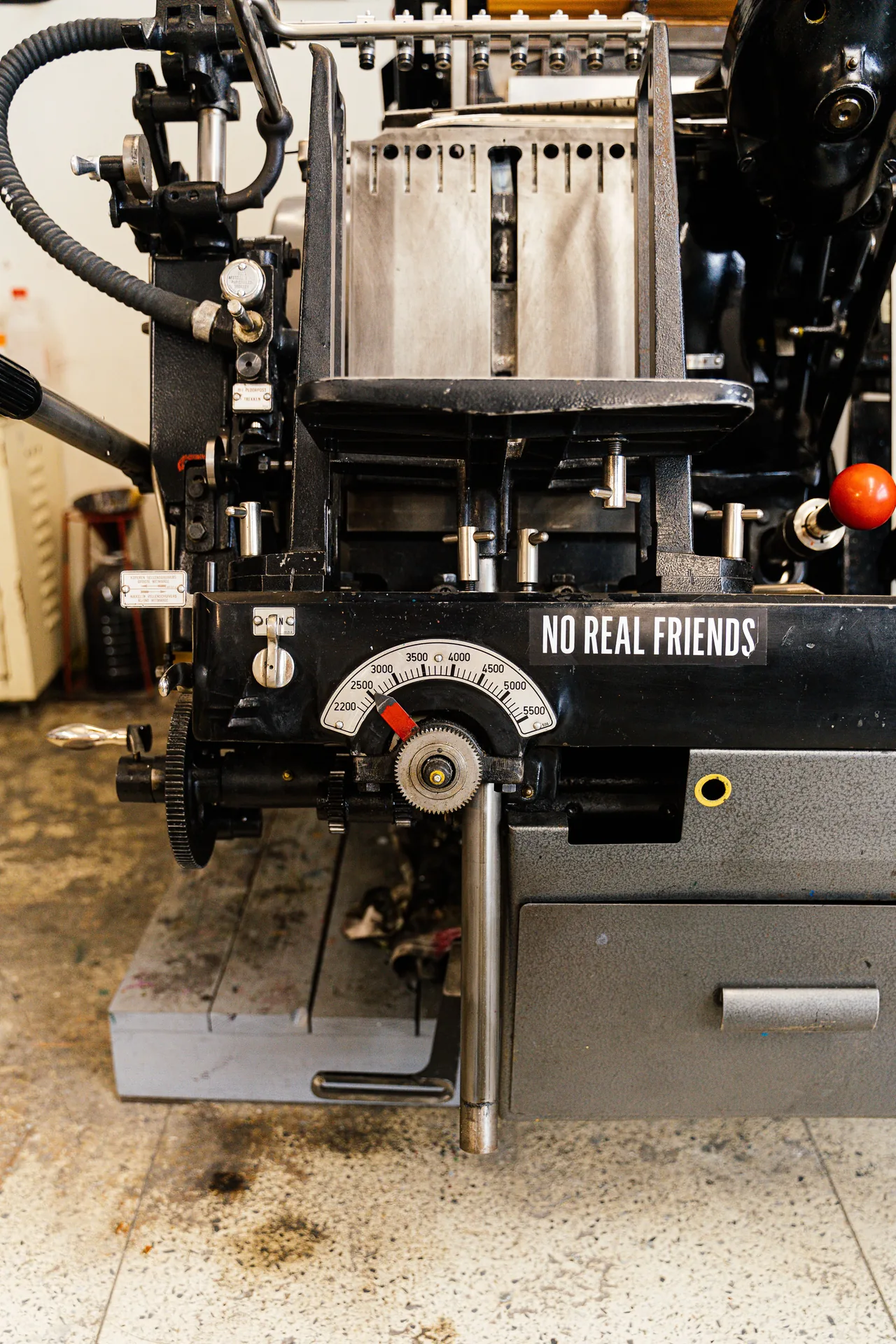
Close-up of a printing press cylinder and inked plate
Beyond UL
What else procurement asks for

ISO 9001 — quality management

The baseline quality-management certification supplier questionnaires ask for first.

ISO 13485 — medical devices

Quality management for medical-device supply chains; many device OEMs require it before onboarding a label vendor.

IATF 16949 — automotive

The automotive industry's quality-management standard, often flowed down to label vendors by tier suppliers.

MIL-STD-130 — defense marking

The US Department of Defense standard for item identification marking, including machine-readable UID labels.

Substance compliance — RoHS, REACH, conflict minerals

Restricted-substance declarations for label materials, plus CMRT reporting on tin, tantalum, tungsten and gold, routine asks from electronics and publicly traded customers.

FAQs

Straight answers to the questions procurement and engineering teams ask about UL 969, Recognized label constructions, and certification paperwork.

UL 969 is the Standard for Marking and Labeling Systems. It certifies a label construction — the combination of facestock, adhesive, ink system and overlaminate on a declared surface — for legibility and adhesion in defined environments. It does not certify your artwork or part number; it certifies that the construction survives its rated conditions.

Listing applies to complete end products and carries the circled UL mark. Recognition applies to components — including labels — intended for use inside a certified product, and carries the backwards-UR mark. Labels are Recognized, not Listed. An OEM's Listed product keeps its certification only if the components inside it, labels included, meet their Recognitions.

A category control number is UL's filing system for certifications. For labels, PGDQ2 covers finished printed labels, PGJI2 covers constructions the manufacturer prints in-house, and PGGU2 covers bulk materials. The CCN defines exactly what was evaluated, so matching the right CCN to how you buy and print labels is what makes the certification usable.

Search UL Product iQ, UL's public certification database. Look up the supplier's name or UL file number and check the Recognized constructions: substrate, exposure class and temperature range. If a supplier cannot point you to their file number, treat the claim as unverified.

Not necessarily — and over-specifying costs money. UL 969 Recognitions are granted per exposure class: dry indoor, humid, or outdoor. Match the class to where the label actually lives. The exception: washdown areas and unconditioned spaces usually justify the humid class even though they are technically indoors.

No. The construction must be printed under a UL Recognized system by the company named in the UL file, subject to UL's ongoing Follow-Up Service audits. A label printed outside a Recognized system — even on identical material — carries no certification.

Lets collaborate

Ready to get started with Flywheel?

Got some ideas but not sure how to execute?

Button Text