


Reduce, Rewear, Recycle.
Leaving textile waste in the past.

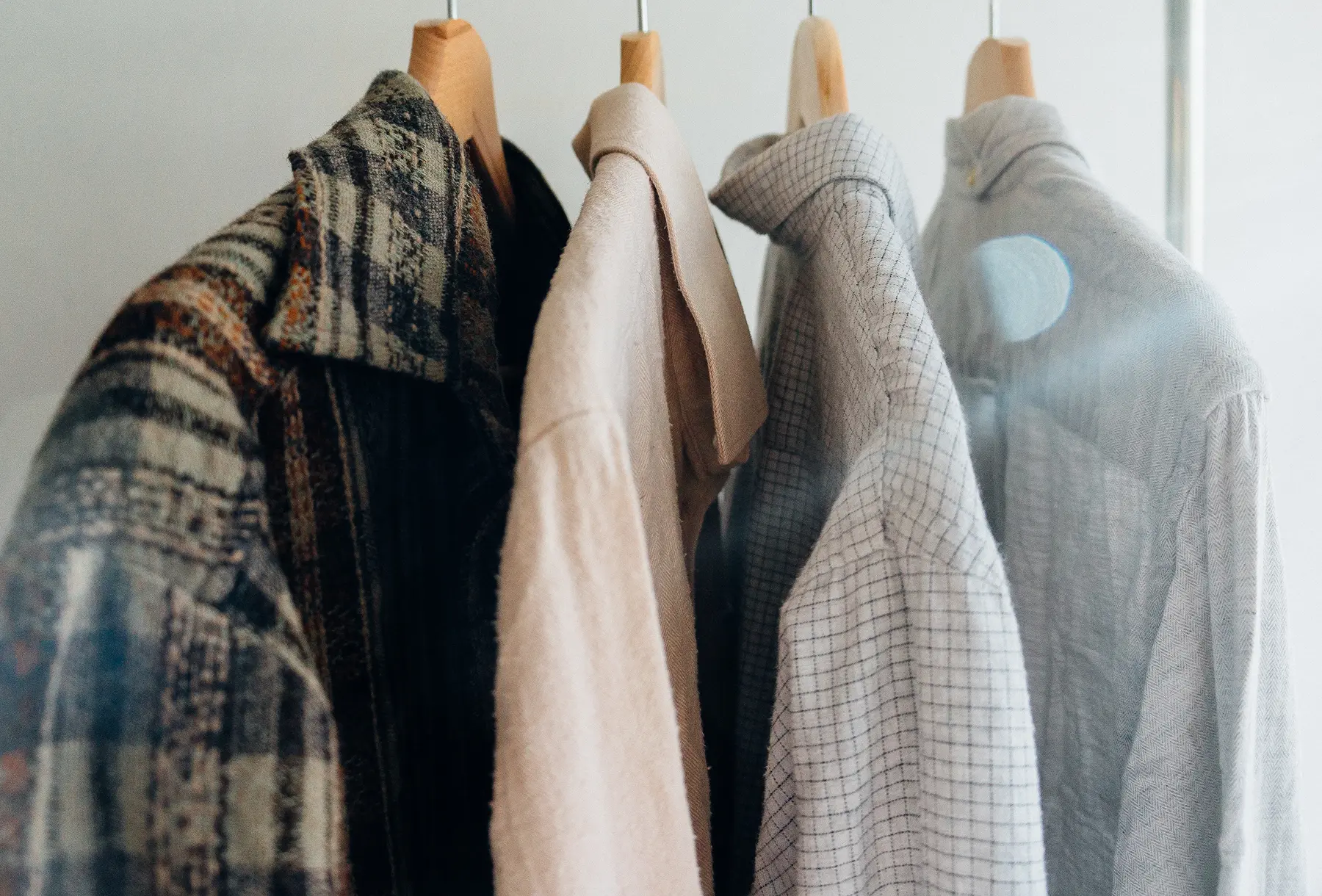
Threads of Dread
Continuing our trend of consuming differently (see our last blog post, It’s Time to Consume Differently), we’re diving into the fashion industry. Hear us when we say that we don’t hate fashion. You should see our team members. However, the fashion industry is a big contributor to waste sitting in landfills. In light of the recent push towards sustainability in today's world, lots of businesses are taking steps towards monitoring their textile waste and learning ways to either reduce their waste or how to encourage their consumers to reduce their impact at home. Why are they doing this? Why would a company tell its consumers to stop consuming, telling them that they’d rather have their consumers keep wearing what they have rather than buy new products? because an estimated 92 million tons of textile waste goes into our landfills annually. To put this into scale, a t-shirt weighs, on average, four ounces, meaning roughly four shirts equal a pound. Don’t worry, we did the math for you. That’s 7.36e11 – or 73,600,000,000,000 – shirts in our landfills annually.
Fashion's Rebirth
It’s not as bad as it seems though. If you sift through the mountain of textiles around us, we can still see the light at the top! Consumers have spoken and the fashion industry has begun to listen. We’re seeing a shift to a more eco-friendly and waste-reducing model for the fashion and textile industry. At Flywheel, we’ve sought out companies of this nature because we recognize that buy-in is required for these businesses to sustain their new approaches. We work with companies that recycle materials, mitigate microplastics, and encourage trade-in of their old clothes for store credit towards your next purchase! As we design your custom apparel, we want to make sure that we’re doing our part in bringing sustainability to you. Making sure that you rep your brand for years to come with confidence that you’re contributing to a better future for the world around us
Planting the Seeds for a New Style
That’s not all we can be doing, though. Next time you decide to start cleaning out your closets and drawers, check with your friends and neighbors and see if they have a use for anything. Start trading pieces between one another as you begin to build your style. If you’re less fond of your neighbors, try selling things online. Instagram has seen a rise in profiles dedicated solely to selling old clothing. If you have the skills for it, try altering your old clothing into something new. This will let your style evolve with you. Sometimes it’s good to just donate your clothes. Places like Goodwill, Samaritan's Purse, Salvation Army, and Soles4Souls are always accepting donations. These aren’t the only ways that we can reduce the amount of textiles in our landfills, but they’re a great starting point as we all move towards a common goal!
Our insights
Vinyl vs. Polyester Labels: Which Should You Choose?
UL 969 vs. UL 969A: Which Standard Applies to Your Label?

What Decal Material Lasts Longest Outdoors? A Spec-by-Spec Comparison

Find your ultimate branding solution.
Got some ideas but not sure how to execute?