


How rPET Can Get You R-E -S-P-E-C-T
Sustainability just got better.

What is rPET
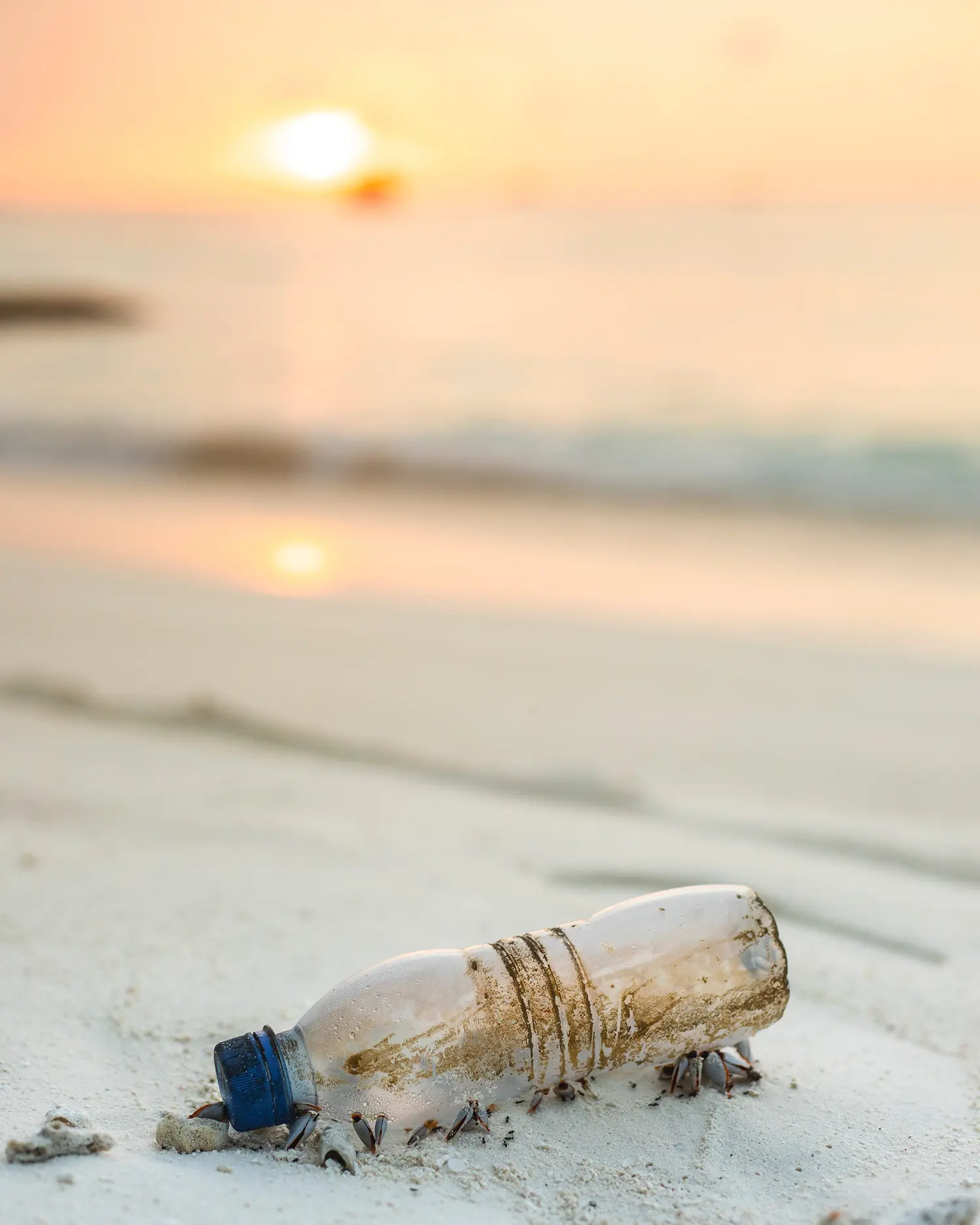
Take a quick look around you. Maybe you see a plastic water bottle, a plastic meal prep container, or maybe you’ve got a hairbrush in the drawer next to you. All of these are likely made using PET. PET is a type of plastic that is created by using crude oil and mixing it with two other chemicals to create the polymer PET (polyethylene terephthalate). PET is considered a thermoplastic, which means that it is easily molded when heated up but retains its strength when cooled back down. This reason is why most food and beverage companies use PET as their go-to packaging. So where does rPET come in? We’re glad you asked, rPET is recycled PET. PET products are cleaned, shredded into small pellets, melted down, and then spun into a thread material called rPET!
What Can Be Made With rPET
So what exactly can be done with rPET? Thankfully, it’s very versatile and can be turned into a multitude of different products. rPET can be used to make everything from blankets, to notebooks, to clothing, insulation, and even car parts. Here at Flywheel, we make an effort to use sustainable products whenever we can and work with suppliers that offer rPET products so that when you order your custom gear through us, you have the option of more sustainable and more eco-friendly options, and who doesn’t love that? While rPET isn’t a perfect solution to battling climate change, the process of converting PET into rPET still releases harmful gases due to melting the plastic. It’s a huge step in the right direction. Keep in mind that a step forward is a step forward, no matter the length of the stride, and it's important to do what we can as we strive for a more sustainable future.
Why Businesses Should Care
Now that we’ve talked about the sustainability side of rPET and why it’s important, let's talk about why businesses should care about rPET. Sustainability and eco-friendliness have been points of interest for consumers more and more in today's market. There is an increasing demand for both eco-products and eco-companies. A Forbes article shines a light on just how in-demand eco-products are seen as "nearly 90% of Gen X consumers said that they would be willing to spend an extra 10% or more for sustainable products, compared to just over 34% two years ago." (Consumers Demand Sustainable Products And Shopping Formats, Forbes). It’s time for companies to listen to their consumers and source their products in ways that appeal to their markets!
rPET Products We Love
Here are some stylish and sustainable rPET products that we love here at Flywheel! All of these are fully customizable and ready to be made into one-of-a-kind pieces for you!
Our insights
Vinyl vs. Polyester Labels: Which Should You Choose?
UL 969 vs. UL 969A: Which Standard Applies to Your Label?

What Decal Material Lasts Longest Outdoors? A Spec-by-Spec Comparison

Find your ultimate branding solution.
Got some ideas but not sure how to execute?